

Chasing Light In Not So Wild Places
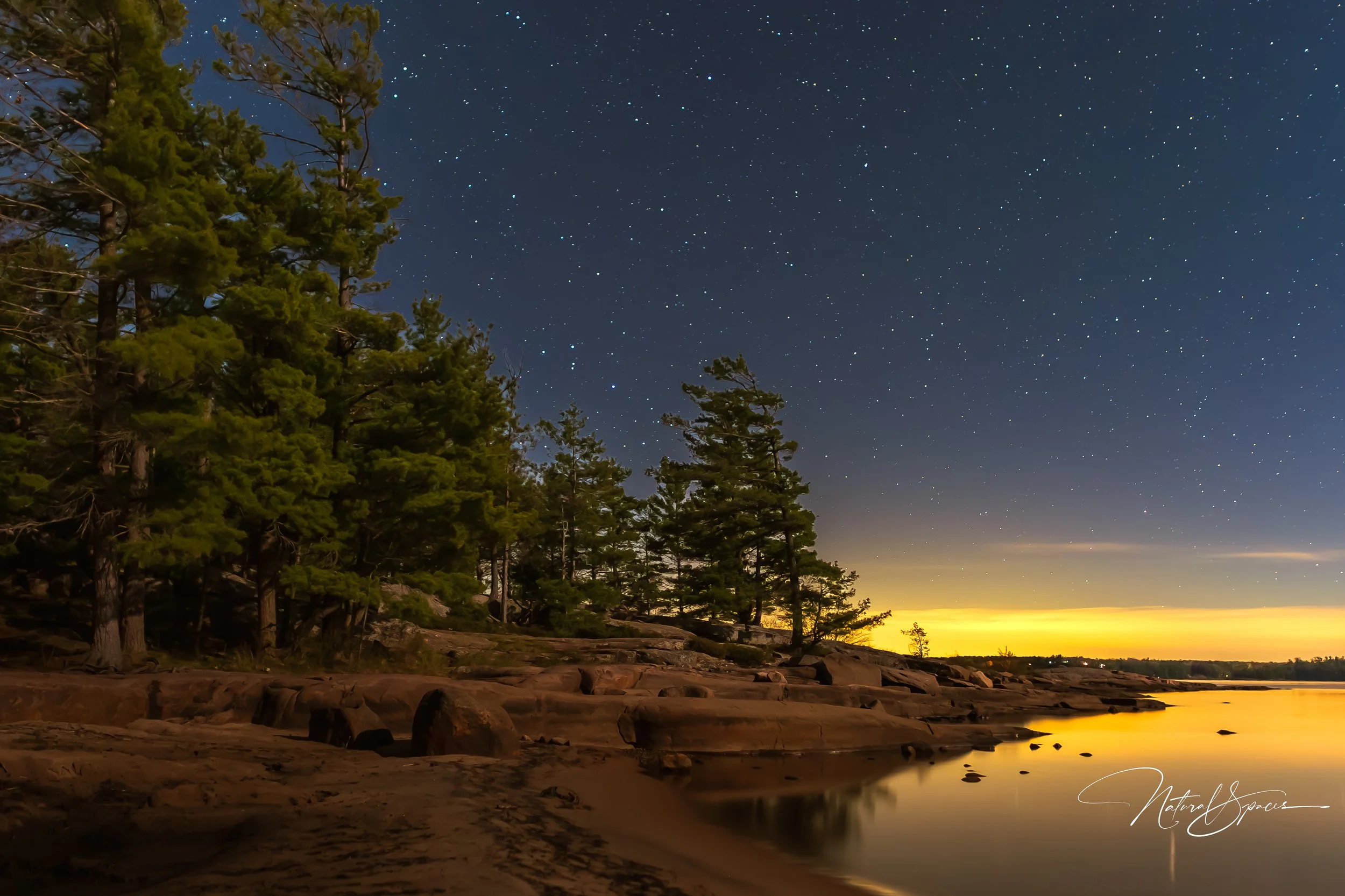
Every spring I take a backcountry canoe trip. I chase brook trout, warm spring breezes, and memories from a simpler time.
This year was different for me.
A long winter spent battling health issues left me physically drained to the point where I had to accept that this spring I would need to compromise. I would have to reshape my idea of what a spring trip looked like.
Staying home and wallowing in self-pity and regret was never an option.
The pull of soft morning sunrises, crackling fires, dark night skies filled with more stars than you thought possible, and the sounds of the forest coming alive in spring meant I had to do something.
You see, I have a chronic illness that I rarely talk about. I’m a type 1 diabetic. An official, card-carrying member of the dead pancreas society.
I’ve been diabetic for almost my entire adult life.
Diagnosed in my early teens, I tried hard to ignore it. I pretended it wasn’t there and kept chasing big water and big mountains. The hubris of youth leads us to believe we are invincible, that time doesn’t come for us, and I was no different.
In my thirties, it finally started catching up to me.
I could no longer ignore the fact that being capable in the backcountry required more planning and effort for me than it did for others. So I adapted. I threw myself into longer trips. Less adrenaline and more type-two fun. I found systems of blood sugar monitoring and management that worked for me. I became determined that diabetes would never slow me down to the point where it limited my ability to push myself hard in wild places.
For many years, it worked.
It also became something I rarely talked about with tripping partners.
Blood sugar readings while slogging gear alone down a portage trail. Taking insulin inside my tent out of view from others. Gobbling candy and glucose tablets on the water after hours of paddling sent my blood sugar crashing low.
Rarely stopping to announce it.
Always afraid of being seen as a burden.
Always trying to hide it. To pretend I was just as capable and strong as everyone else.
Because backcountry travel is a game for the strong.
Long hours of paddling or hiking through the elements. Burning more calories than you consume. Battling exhaustion, weather, injuries, setbacks, and the mental weight of trips that rarely unfold the way you planned them.
Fast forward twenty years, and Father Time has finally started catching me.
While I’m not old by any stretch, I’m old enough to admit that nearly forty years of chronic illness has taken its toll. The bounce back from sickness takes longer now.
And that’s where I found myself standing this spring.
So the decision was made to take a front-country camping trip instead of disappearing deep into the backcountry.
I travelled west to the shores of Georgian Bay, a place I hadn’t visited in years.
The landscape hadn’t changed at all.
Towering pines. Pink granite and quartz stone running down to the shoreline, tracing lines through the earth like a geological history of the region itself.
Its beauty never disappoints.
I still found stunning sunsets, clear skies, and moments of solitude.
Only now they were mixed with the sounds of laughter from young families around campfires and people of all ages experiencing the beauty of our Ontario provincial parks.
And somewhere during that trip, I realized something.
No matter where you are in your outdoor journey, as long as you are outside experiencing nature, that’s enough.
For the first time, I truly saw that front-country camping offers people of all ages and abilities the opportunity to experience a touch of Canadian wilderness.
And while it may not be the same wild backcountry I’ve always called home, it still gives people a chance to connect with nature in a way they otherwise may never experience.
As I sat quietly beside the fire on my final night in the park, resolving to continue rebuilding my health, I realized something else.
Getting outside into nature is the most important part of the equation.
It doesn’t matter where you go.
Only that you go.